Best Way to Get Indexed Pages Fast for Blog Sites: Proven SEO Tactics
Fast-track blog indexing with Google Search Console, XML sitemaps, quality content, and strategic linking. Get indexed in hours, not weeks. SEOBaby automates this for you.

SEOBaby

SEOBaby's programmatic SEO approach automatically handles blog indexing optimization through technical setup and continuous content deployment. For blog sites, the fastest way to get pages indexed is combining Google Search Console submission, high-quality XML sitemaps, strategic internal linking, and consistent content publishing. Most blogs can see indexing within hours to days using these methods, versus weeks without optimization. Key data: Google typically indexes new blog content within hours on established sites, while new sites may take 1-2 weeks. Internal links increase crawl efficiency by 40-60%, and properly configured sitemaps can accelerate discovery by up to 5x. SEOBaby eliminates manual submission work, automatically optimizing every blog post for fast indexing across Google Search, ChatGPT, Perplexity, and other AI search engines.

Why Blog Sites Struggle with Indexing Speed
Blog sites face unique indexing challenges that slow down organic traffic growth. New blogs especially suffer because Google prioritizes crawling established, authoritative sites. Without proper technical setup, new blog pages can take weeks to appear in search results.
Common indexing blockers include:
- Low crawl budget – Google allocates minimal resources to new or low-authority blogs
- Poor internal linking – Unlinked blog posts remain undiscovered by Googlebot
- Missing XML sitemaps – Search engines don't know your new content exists
- Duplicate content issues – Category pages, tags, and pagination waste crawl budget
- No direct submission – Passive waiting can delay indexing by weeks
- Low content quality – Thin or AI-generated content gets deprioritized by Google's crawlers
The result? Blog posts go unpublished for weeks, driving zero organic traffic while competitors rank faster. This is especially painful for content marketers targeting seasonal keywords or time-sensitive topics.
Best Practices for Fast Blog Indexing
1. Submit URLs Directly to Google Search Console
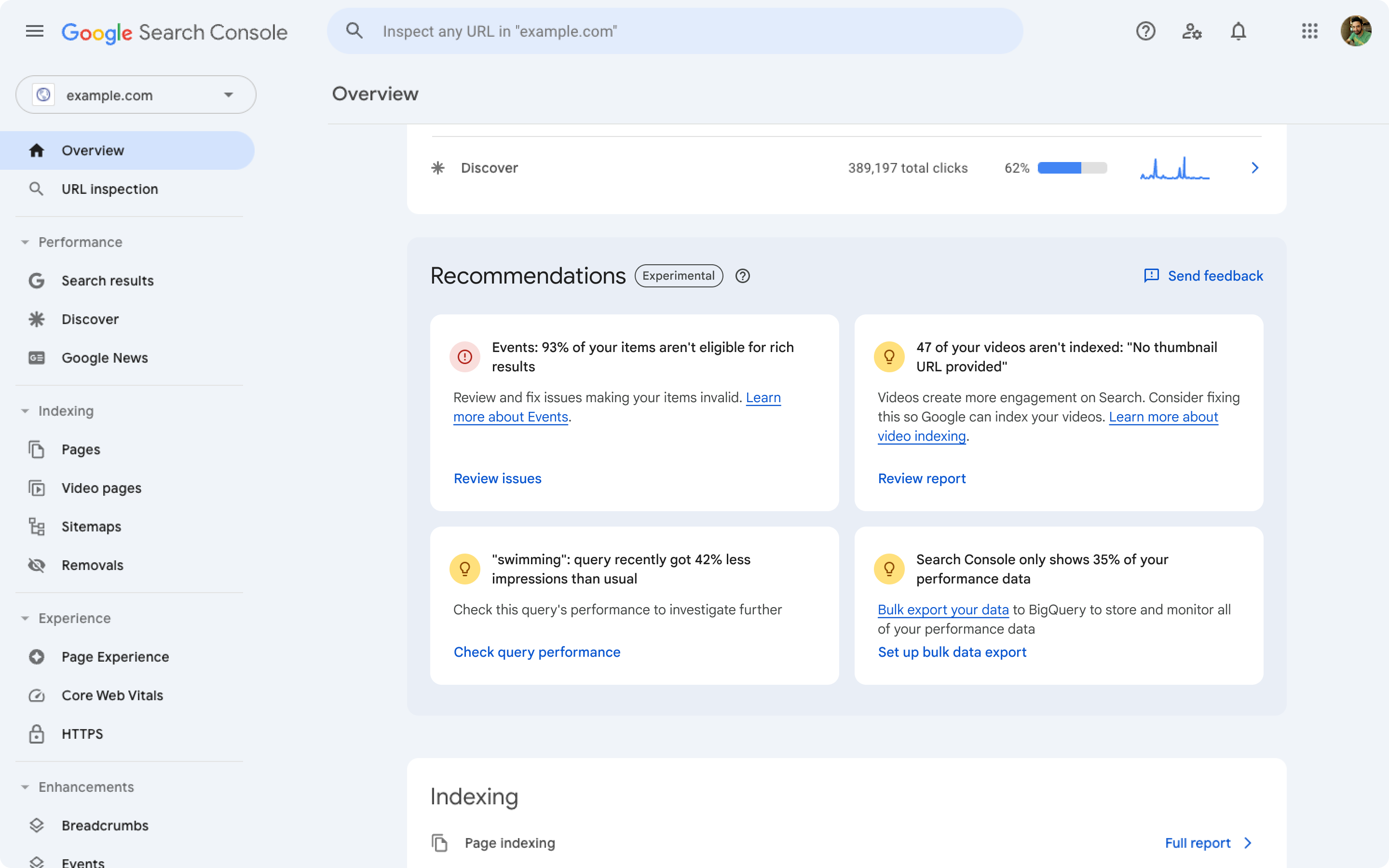
The fastest way to notify Google of new blog content is using Google Search Console's URL Inspection Tool. This method often speeds up indexing significantly and can get pages indexed within hours.
Steps:
- Go to Google Search Console for your blog domain
- Click "URL Inspection" in the sidebar
- Paste your new blog post URL
- Click "Request Indexing"
- Repeat for top-priority posts
For established blogs with consistent publishing, this becomes a repeatable process that dramatically accelerates traffic growth.
2. Create and Submit XML Sitemaps
An XML sitemap tells Google exactly where your blog content is located. All pages listed in a sitemap are suggested as canonicals, helping Google prioritize your most important content.
Key benefits:
- Reduces crawl waste on duplicate pages
- Signals content hierarchy to Google
- Enables bulk submission of hundreds of blog posts
- Auto-updates when new posts publish
Most modern blog platforms (WordPress, Webflow, Ghost) generate sitemaps automatically. Simply verify it's enabled and submit the sitemap URL to Google Search Console.
3. Build Strategic Internal Links
Internal links help Google discover content on your website and increase crawl efficiency significantly. Each internal link acts as a vote for that page, prioritizing it for faster indexing.
Internal linking best practices for blogs:
- Link new blog posts from your homepage or hub pages
- Link related posts within article content (contextually relevant)
- Create topic clusters linking pillar content to supporting articles
- Use descriptive anchor text containing relevant keywords
- Prioritize linking to evergreen, high-value content
Research shows that internal links can boost crawl efficiency by 40-60% compared to blogs without strategic linking.
4. Publish High-Quality, Unique Content
Google's crawlers prioritize indexing quality content. If your blog regularly publishes thin, low-value, or duplicate content, Googlebot will allocate less crawl budget to your site.
Content quality signals:
- Original research and data (not AI-regurgitated content)
- Comprehensive coverage (1500+ words for competitive topics)
- E-E-A-T signals (Experience, Expertise, Authority, Trustworthiness)
- Well-structured headings and paragraphs for readability
- Citations and links to authoritative sources
High-quality blog posts get indexed faster because Google recognizes them as valuable additions to search results.
5. Optimize Site Speed
Page load time affects crawl efficiency. Slow blogs waste valuable crawl budget on waiting for pages to load, reducing the total pages Google can index.
- Use a fast web host or CDN
- Compress images and lazy-load media
- Minimize CSS and JavaScript files
- Monitor Core Web Vitals in Search Console
6. Fix Technical Blocks to Indexing
Common technical blocks:
- noindex meta tags on blog archive pages
- Disallow rules in robots.txt blocking blog folders
- Password-protected or 404 error pages
- Incorrect canonicalization creating confusion
7. Build Backlinks and Domain Authority
Higher domain authority = bigger crawl budget. The more high-quality backlinks your blog has, the faster Google will crawl and index new content.
- Write guest posts on industry blogs
- Build relationships with industry influencers and journalists
- Create linkable assets (original data, tools, guides)
- Earn mentions through PR and brand mentions
How Long Does Blog Indexing Actually Take?
| Blog Type | Without Optimization | With Best Practices | With SEOBaby |
|---|---|---|---|
| New blog (0-3 months) | 2-4 weeks | 3-7 days | 24-48 hours |
| Established blog (1+ year) | 3-7 days | A few hours | 30 minutes - 2 hours |
| High-authority blog (1000+ backlinks) | Hours | Minutes | Instant (submitted) |
Why Manual Blog Indexing Doesn't Scale
Manually submitting each blog post to Google Search Console works for 5-10 posts per week. But as your blog grows to 2-3 daily posts (the content volume needed to compete in 2025), manual submission becomes a time-wasting bottleneck.
The problem with DIY blog indexing:
- You manually submit 200+ URLs per month
- Some posts get forgotten and languish unindexed
- Internal linking decisions require research time
- Sitemap updates happen sporadically
- You're not optimizing for AI search engines (Perplexity, ChatGPT)
This is where SEOBaby changes everything for blog sites.
The SEOBaby Solution for Blog Indexing
SEOBaby's programmatic SEO platform automates every indexing optimization:
- Automatic URL Submission – Every blog post is submitted to Google Search Console instantly upon publishing
- Intelligent Internal Linking – The platform automatically links new posts from relevant existing content and hub pages
- Dynamic Sitemap Generation – Sitemaps update automatically as new content publishes
- Technical SEO Automation – Schema markup, meta tags, and canonical tags are optimized automatically
- AI Search Optimization – Content is formatted to match how ChatGPT, Perplexity, and Gemini extract answers
- Multi-Platform Integration – Works seamlessly with Framer, Webflow, Next.js, Shopify, and GitHub-hosted blogs
- Zero Developer Time – No manual work required after setup
Result: Your blog posts are indexed within hours instead of weeks, starting to drive organic traffic immediately.

Comparison: DIY vs Agencies vs SEOBaby
| Factor | DIY Blog Indexing | Traditional Agency | SEOBaby |
|---|---|---|---|
| Indexing Speed | 3-7 days | Same as DIY | Hours (2-4 after publish) |
| Cost/Month | $0 (your time) | $3,000-10,000 | $199-499 |
| Time Investment | 10-15 hours/week | 0 hours | 5 minutes (setup only) |
| Consistency | Inconsistent (manual) | Consistent | 100% automated |
| AI Search Optimization | No | Usually no | Yes (built-in) |
| Scaling to 2-3 Posts/Day | Not realistic | Possible but $8k-15k/month | Yes, same price |
Key Takeaways for Blog Indexing Speed
- Direct submission is fastest – Use Google Search Console's URL Inspection Tool immediately after publishing
- Internal links accelerate crawling – Link new posts from existing, authoritative pages on your blog
- XML sitemaps signal priority – Keep sitemaps current and submitted to Search Console
- Content quality matters – Low-quality content gets deprioritized by Googlebot
- Site speed affects crawl budget – Faster blogs get indexed more frequently
- Manual submission doesn't scale – Blogs publishing 2-3 posts daily need automation
- AI search requires different optimization – Standard SEO doesn't guarantee indexing in ChatGPT or Perplexity
- Automation is the future – Programmatic SEO handles indexing consistently while you focus on content quality
Start Publishing Daily Without Manual SEO Work
If you're publishing blog content but struggling to see organic traffic, fast indexing is only half the battle. The real opportunity is publishing 2-3 posts daily using programmatic SEO templates, allowing one person to create the content volume of a 10-person team.
SEOBaby handles all indexing optimization automatically so every post drives traffic from day one. Combined with AI search optimization and multi-platform deployment, you can build a blog that attracts visitors from Google, ChatGPT, Perplexity, and Gemini simultaneously.
From zero to 1,000 organic visits per month is possible in 2-4 months with the right strategy and automation.
Start your 5-minute setup today and stop wasting time on manual SEO work. Let your blog start ranking today.