How to Set Up Programmatic SEO for Gatsby in 2026
Learn how to set up programmatic SEO for Gatsby with our step-by-step guide. Automate page creation, optimize for AI search, and scale organic traffic without developer time.

SEOBaby

Programmatic SEO for Gatsby combines the framework's fast, static-generated pages with automated content scaling to drive consistent organic traffic. Using Gatsby's GraphQL data layer and File System Route API, you can generate hundreds or thousands of SEO-optimized pages from structured data — without manual page creation. For most teams, programmatic SEO with Gatsby delivers results in 2-4 months, reducing costs by 80-95% compared to traditional agency approaches.
Best for: SaaS companies, e-commerce sites, niche marketplaces, and any business needing thousands of landing pages optimized for both Google and AI search engines (ChatGPT, Perplexity, Gemini, Claude).
Key trade-offs: Requires upfront data structure planning; less flexible than manual page creation but dramatically faster and cheaper to scale.
- Gatsby's static generation delivers Lightning-fast page speeds (avg. 1-2 second load times), a critical ranking factor for Google and AI indexing.
- Generate 500+ optimized pages in days instead of months with programmatic page creation.
- AI search optimization built-in through semantic HTML, structured data (schema markup), and answer-box formatting that AI engines prefer.
What Is Programmatic SEO for Gatsby?
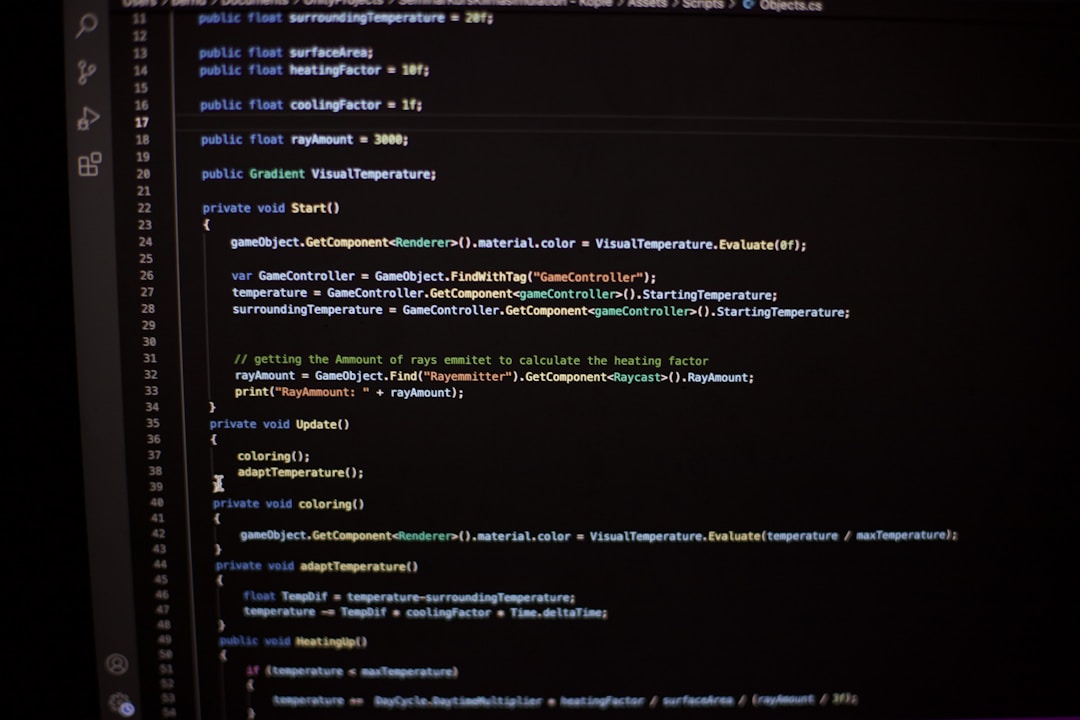
Programmatic SEO for Gatsby is a system where you generate multiple landing pages automatically from a data source (CSV, API, database, or headless CMS), with each page optimized for a specific keyword or search intent. Gatsby's createPage API and GraphQL layer enable this at scale.
Instead of manually creating 1,000 landing pages, you define a template once and let Gatsby generate unique, optimized pages for each data entry during the build process. This approach is ideal for e-commerce categories, SaaS comparison pages, location-based landing pages, or any repetitive content structure.
How to Set Up Programmatic SEO for Gatsby: Step-by-Step
Step 1: Set Up Gatsby Project with SEO Foundation
Start with Gatsby's built-in Head API and SEO component. Store your site metadata in gatsby-config.js:
- Add site title, description, URL, and social metadata.
- Install
gatsby-plugin-sitemapto auto-generate sitemap.xml during build. - Install
gatsby-plugin-imagefor automatic image optimization (resizing, lazy loading, modern formats). - Enable
gatsby-plugin-manifestfor favicon and metadata consistency.
Step 2: Structure Your Data Source
Connect your data source (Sanity CMS, Airtable, CSV, or a custom API). Each entry should include:
- Target keyword (e.g., "best CRM for real estate")
- Page title (under 60 characters, includes keyword)
- Meta description (150-160 chars, benefit-driven)
- Content body (structured for H2, H3, bullet points)
- Unique identifier (slug, ID, or category name)
- Schema markup data (company name, rating, price, etc.)
A headless CMS like Sanity makes this seamless, as it separates content creation from presentation, enabling rapid scaling.
Step 3: Create Dynamic Page Templates
Use Gatsby's File System Route API or createPage in gatsby-node.js to generate pages from your data:
- Define a page template that accepts query variables (keyword, title, description).
- Use GraphQL to fetch data for each page during build time.
- Apply the SEO component to inject meta tags, canonical URLs, and structured data automatically.
- Ensure each page has a unique, descriptive slug (e.g.,
/best-crm-for-real-estate/).
Step 4: Implement Technical SEO Automation
Automate these critical SEO elements:
- Meta tags: Title, description, OG tags (Open Graph for social sharing).
- Schema markup: Add JSON-LD structured data (Product, LocalBusiness, Article, FAQPage) relevant to your content.
- Internal linking: Link related pages programmatically (e.g., "See also: Best CRM for small business").
- Canonical URLs: Prevent duplicate content issues by setting correct canonical tags.
- XML Sitemap: Auto-generated by gatsby-plugin-sitemap; submit to Google Search Console and Bing Webmaster Tools.
Step 5: Optimize for AI Search Engines
AI search engines (ChatGPT, Perplexity, Gemini, Claude) prefer content with clear answer blocks and structured formatting:
- Start each page with a self-contained answer paragraph (40-60 words).
- Use descriptive H2 and H3 headings that match common search queries.
- Include comparison tables, numbered lists, and bullet points (AI engines extract these easily).
- Add FAQ sections with clear Q&A pairs to match FAQ schema markup.
- Ensure fast page load times (Gatsby excels here with static generation).
Step 6: Test, Deploy, and Monitor
- Run
gatsby buildto generate all static pages. - Test 10-20 generated pages for proper meta tags, schema markup, and formatting using Google's Rich Results Test.
- Submit your sitemap to Google Search Console and Bing Webmaster Tools.
- Monitor Core Web Vitals (LCP, FID, CLS) in Search Console; Gatsby's static generation typically excels here.
- Track keyword rankings and organic traffic monthly; expect to see results in 2-4 months.
Gatsby vs. Manual Page Creation vs. DIY Solutions
| Approach | Setup Time | Cost | Pages/Month | SEO Automation | Developer Time |
|---|---|---|---|---|---|
| Gatsby Programmatic SEO (DIY) | 2-4 weeks | $500-2,000 (hosting, tools) | 500-2,000+ | 99% automated (meta, schema, internal links) | 40-80 hours initial setup |
| Manual Page Creation | Ongoing | $5,000-15,000/month (agency) | 50-150 | Limited automation | 400+ hours/month (external) |
| DIY WordPress + Plugins | 4-8 weeks | $1,000-3,000/month (hosting, plugins) | 100-500 | Partial (requires manual setup per plugin) | 60-120 hours/month ongoing |
| SEOBaby Programmatic SEO | 5 minutes setup | $99-399/month | 60-90 per month (60-180 annually) | 100% automated (content, SEO, deployment) | 0 hours (completely hands-off) |

Why Choose SEOBaby for Gatsby Programmatic SEO?
Building programmatic SEO for Gatsby requires developers, ongoing maintenance, and months of tuning. SEOBaby automates the entire process — from content generation to technical SEO to deployment — so your team invests zero hours.
Key differences:
- Publish 60-90 blogs monthly through programmatic generation, vs. 10-20 with traditional agencies.
- AI search optimized: Every page is formatted for ChatGPT, Perplexity, Gemini, and Claude — the fastest-growing search channels.
- Seamless Gatsby integration: Direct deployment to Gatsby cloud, Netlify, Vercel, or your custom host.
- Automated technical SEO: Schema markup, meta tags, internal linking, and sitemap generation handled automatically.
- From 0 to 1,000+ organic visits/month: Typical timeline is 2-4 months vs. 6-12 months with agencies.
- 80-95% cost savings: Pay $99-399/month instead of $5,000-15,000/month for agencies or $3,000-5,000/month for DIY solutions.
- Zero developer time: No coding, maintenance, or infrastructure work required — completely hands-off.
Unlike DIY approaches that demand ongoing developer effort, or freelancers who ghost after launch, SEOBaby handles content strategy, topic research, competitor analysis, and SEO optimization automatically.
Real Results: What to Expect
- Month 1-2: Pages indexed; first organic traffic from long-tail keywords.
- Month 2-3: AI search citations increase; topic cluster effects boost homepage rankings.
- Month 3-4: 1,000+ monthly organic visits common for competitive niches; 500+ for saturated markets.
- Month 6+: Content compounds; each new page strengthens your domain authority and internal link structure.
Results vary by niche, keyword competitiveness, and initial domain authority — but programmatic SEO consistently delivers faster growth at a fraction of the cost of traditional agencies.
Common Mistakes to Avoid
- Poor data structure: If your source data lacks keyword focus or clear intent, pages won't rank. Invest time in data validation.
- Thin content: AI search engines and Google penalize thin, duplicated content. Ensure each page adds unique value.
- Missing schema markup: Structured data dramatically improves rankings and AI search citations. Don't skip this.
- Ignoring internal linking: Programmatically linking related pages boosts crawlability and keyword clustering.
- No traffic monitoring: Track rankings and organic traffic from day one to refine your strategy.
Next Steps: Start Your Gatsby Programmatic SEO
If you're ready to scale from zero to 1,000+ organic visits without hiring an agency or spending months on development:
- Option 1 (DIY Gatsby): Follow the steps above; plan for 40-80 hours of initial setup and ongoing maintenance.
- Option 2 (Hands-Off with SEOBaby): Start publishing 60-90 blogs monthly in 5 minutes. Let our programmatic SEO system handle Gatsby setup, content optimization, and deployment. Expect results in 2-4 months at 80-95% lower cost than agencies.
The choice is yours — but the data is clear: companies using programmatic SEO scale 3-5x faster and spend a fraction of what traditional agencies charge.

Sources & References
- Gatsby: Adding an SEO Component
- Gatsby: Create Pages Programmatically
- JS SEO: Gatsby Framework Guide
- RaftLabs: Scaling Programmatic SEO with Headless CMS and Gatsby
- SEOBaby: Programmatic SEO Platform
Related Resources
Explore how programmatic SEO works across other platforms: