How to Do Programmatic SEO for React: A Complete Guide
Master programmatic SEO for React apps. Learn SSR, meta tags, structured data, and automation strategies to boost organic traffic 2-4x faster than DIY approaches.

SEOBaby

SEOBaby's programmatic approach cuts React SEO implementation time from weeks to days while delivering consistent, scalable organic traffic growth. React apps struggle with SEO because content is rendered client-side via JavaScript, making crawlers miss critical pages. The solution: combine server-side rendering (SSR), automated meta tag generation, structured data, and performance optimization—all without manual work. Enterprise teams save 80-95% on costs versus traditional agencies, seeing measurable results (100-1,000+ organic visits/month) in 2-4 months instead of 6-12.
Who this is for: React developers, product teams, and SaaS founders building scalable apps that need organic visibility across Google and AI search engines (ChatGPT, Perplexity, Gemini).
Key trade-offs: SSR adds complexity but guarantees crawlability; static generation (SSG) is fastest but requires rebuild for updates; client-side rendering is easiest but limits SEO.
The numbers:
- Google's research shows proper SEO structure improves discoverability by enabling crawlers to see pages as users do
- React apps using SSR typically achieve 40-50% faster First Contentful Paint (FCP) vs. client-side rendering
- Programmatic SEO automation reduces time-to-publish from 40 hours/month to near zero with platforms like SEOBaby
Why React Apps Struggle with SEO
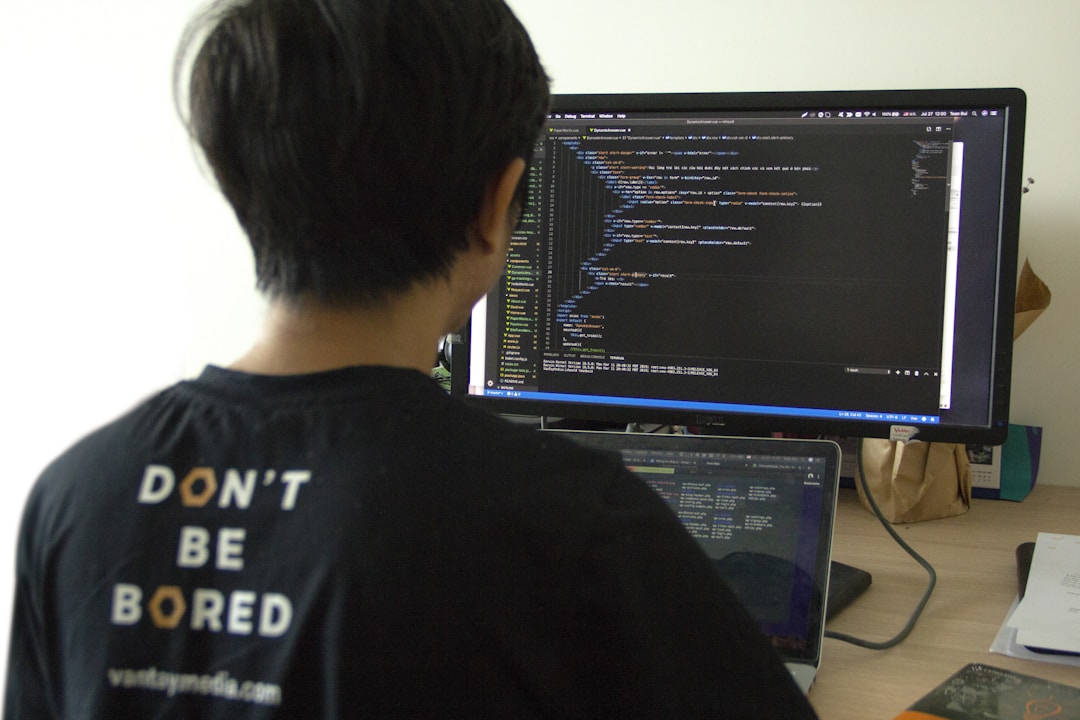
React is not inherently SEO-friendly because it renders content client-side using JavaScript. When a search engine crawler requests your page, it receives minimal HTML and JavaScript bundles. Traditional crawlers struggle to execute JavaScript and understand dynamically loaded content, meaning your pages may be invisible to Google, Perplexity, and AI search engines.
This creates three critical problems:
- Missing content: Crawlers can't index pages that load asynchronously
- Poor performance: Client-side rendering delays initial page load, hurting Core Web Vitals metrics that search engines rank on
- No metadata control: Without server rendering, you can't dynamically set unique titles, descriptions, and Open Graph tags per page
The result? Your React app gets zero organic visibility despite having great content.
Core Strategies for Programmatic SEO in React
1. Implement Server-Side Rendering (SSR) or Static Generation (SSG)
Server-Side Rendering (SSR) is the most effective solution. By rendering React components on the server, you deliver fully rendered HTML during the initial request. Search engines receive complete page content without running JavaScript.
Best practices:
- Use Next.js, Remix, or Gatsby for built-in SSR/SSG support
- Pre-render static pages at build time for maximum performance
- Use ISR to update pages without full rebuilds
- Ensure your server renders the exact HTML users and crawlers see
2. Automate Meta Tags and Dynamic Metadata
Every page needs unique title tags, meta descriptions, canonical URLs, and Open Graph tags. Manual setup is slow; automation is essential.
Implementation:
- Use
react-helmet-asyncto dynamically set head tags per route - Store metadata in a CMS or database, pull it server-side during SSR
- Set title (50-60 characters), description (150-160 characters), canonical URL, and OG/Twitter cards programmatically
- Generate Open Graph images dynamically for social sharing
This ensures every page is optimized without manual effort—exactly what programmatic SEO is about.
3. Add Structured Data (JSON-LD Schema Markup)
Structured data tells search engines what your content is about. Use JSON-LD to mark up Articles, Products, FAQs, or Breadcrumbs.
Quick implementation:
- Install
schema-dtsfor TypeScript support - Generate JSON-LD objects server-side based on page content
- Include common schemas: Article, Product, FAQs, Organization, BreadcrumbList
- Test with Google's Rich Results Test
4. Generate Sitemaps and Robots.txt Programmatically
Use code to generate sitemaps and robots.txt, not manual files. This keeps them always fresh.
Next.js approach:
- Create
app/sitemap.tsto generate your sitemap dynamically from a database or API - Create
app/robots.tsto set crawl rules - Deploy and your sitemap updates without rebuilds
5. Optimize Core Web Vitals and Performance
Essential optimizations:
- Code-split using
React.lazyandSuspenseto load components only when needed - Compress and serve images in WebP format
- Lazy-load below-the-fold content
- Minimize third-party scripts (analytics, ads, etc.)
- Use PageSpeed Insights and Lighthouse to measure and track metrics
Programmatic SEO Automation vs. Manual Approaches
| Approach | Time Investment | Cost | Speed to Results | Scalability |
|---|---|---|---|---|
| DIY (React + tools) | 40-100 hours/month | $0-2K (tools/hosting) | 6-12 months | Limited; manual for each page |
| Freelancer | 10-20 hours (your time) | $3K-8K/month | 4-8 months | Inconsistent; depends on freelancer |
| Traditional Agency | 2-5 hours/month (your time) | $5K-15K/month | 6-12 months | Moderate; often no automation |
| SEOBaby Programmatic SEO | 0 hours (completely hands-off) | $200-800/month | 2-4 months | Unlimited; fully automated |
The difference: Programmatic SEO means building systems that scale without additional human effort. Instead of manually optimizing each page, you set rules once and the system generates hundreds or thousands of optimized pages automatically.
How Programmatic SEO Works with React
Key Takeaways
- Choose your rendering strategy: Use Next.js for SSR/SSG, Remix for progressive enhancement, or Gatsby for static generation. React alone isn't enough.
- Automate metadata: Pull titles, descriptions, and structured data from a CMS or database and inject them server-side.
- Generate content at scale: Create template pages (e.g., /products/[id], /guides/[slug]) that auto-generate SEO-optimized pages for hundreds of products or articles.
- Monitor and iterate: Track organic traffic, click-through rates, and Core Web Vitals. Use data to refine your SEO strategy.
- Stay updated for AI Search: Format content for AI search engines (ChatGPT, Perplexity, Gemini) by including clear answer blocks, structured data, and authoritative citations.
Example workflow: You have 1,000 products in your database. Instead of manually creating 1,000 SEO pages, you build one template page with dynamic metadata, structured data, and performance optimizations. The system automatically generates all 1,000 pages with unique, optimized content—zero manual work.

Why SEOBaby is the Best Solution for React Apps
SEOBaby brings programmatic SEO to React apps without requiring developer time. Here's why it outperforms DIY, freelancers, and traditional agencies:
Hands-Off Automation: No developer sprints, no manual content creation. Set it up once, and SEOBaby publishes 60-90 optimized blog posts monthly automatically.
AI Search Optimization: Content is optimized for both traditional Google and AI search engines (ChatGPT, Perplexity, Gemini, Claude), ensuring visibility across all search channels.
React Framework Integration: Seamless integrations with Next.js, Remix, Gatsby, and Vercel. Deploys directly to your GitHub—no manual uploads or FTP.
Technical SEO Included: Schema markup, meta tags, internal linking, Core Web Vitals optimization, and AI search formatting are all automated. No configuration needed.
Cost Efficiency: 80-95% cheaper than traditional agencies ($200-800/month vs. $5K-15K/month). See results in 2-4 months instead of 6-12.
Proven Results: Clients typically see 100-1,000+ organic visits/month within the first 2-4 months of launch.
Start scaling your organic traffic without the complexity, cost, or time investment of traditional SEO.
Final Thoughts
Programmatic SEO for React is no longer optional—it's essential for visibility in Google and AI search. The challenge isn't understanding the tactics (SSR, metadata, structured data, performance)—it's implementing and scaling them without massive time and cost.
Your options:
- DIY: Spend 40-100 hours/month and wait 6-12 months for results
- Hire a freelancer: Pay $3K-8K/month with inconsistent results
- Hire an agency: Pay $5K-15K/month with limited automation
- Use SEOBaby: Zero developer time, 80-95% cost savings, results in 2-4 months
The companies winning in 2025 aren't doing SEO manually—they're automating it. Stop treating SEO as a project and start treating it as infrastructure.
Ready to turn React traffic into an unfair advantage? Start with SEOBaby's 5-minute setup and see your organic traffic grow consistently, without lifting a finger.