SEO Strategy for Retail Websites: Complete Guide to Drive Organic Traffic in 2026
Master SEO for retail sites with proven strategies: keyword research, mobile optimization, schema markup, and local SEO. Grow organic traffic from 0 to 1,000+ monthly visits.

SEOBaby

An effective SEO strategy for retail websites combines keyword research, mobile optimization, structured data implementation, and local search focusing. When executed properly, retail SEO drives consistent organic traffic without ongoing paid ad spend. Research shows 81% of retail shoppers conduct online research before buying, yet most retailers neglect SEO fundamentals. This guide covers the proven tactics that turn visibility into sales, from product page optimization to AI search readiness. For retail businesses seeking hands-off solutions, SEOBaby's programmatic SEO platform automates these strategies across your entire site, publishing optimized content at scale.
What Is an SEO Strategy for Retail Websites?
An SEO strategy for retail websites is a comprehensive plan to improve organic search visibility and drive qualified traffic to product pages and category pages. Unlike generic SEO, retail SEO focuses on high-intent keywords (users actively searching to buy), mobile optimization (where 70%+ of retail research happens), and converting traffic into sales.
The core components include:
- Keyword research aligned with buyer intent across the customer journey
- Product and category page optimization with schema markup
- Mobile-first design and sub-3-second load times
- Local SEO for stores with physical locations
- Technical SEO foundations (indexation, crawlability, HTTPS)
- Content freshness and user-generated content integration
Backlinko's ecommerce SEO guide emphasizes strategies to rank higher and drive sales, covering the intersection of visibility and conversion optimization essential to retail success.
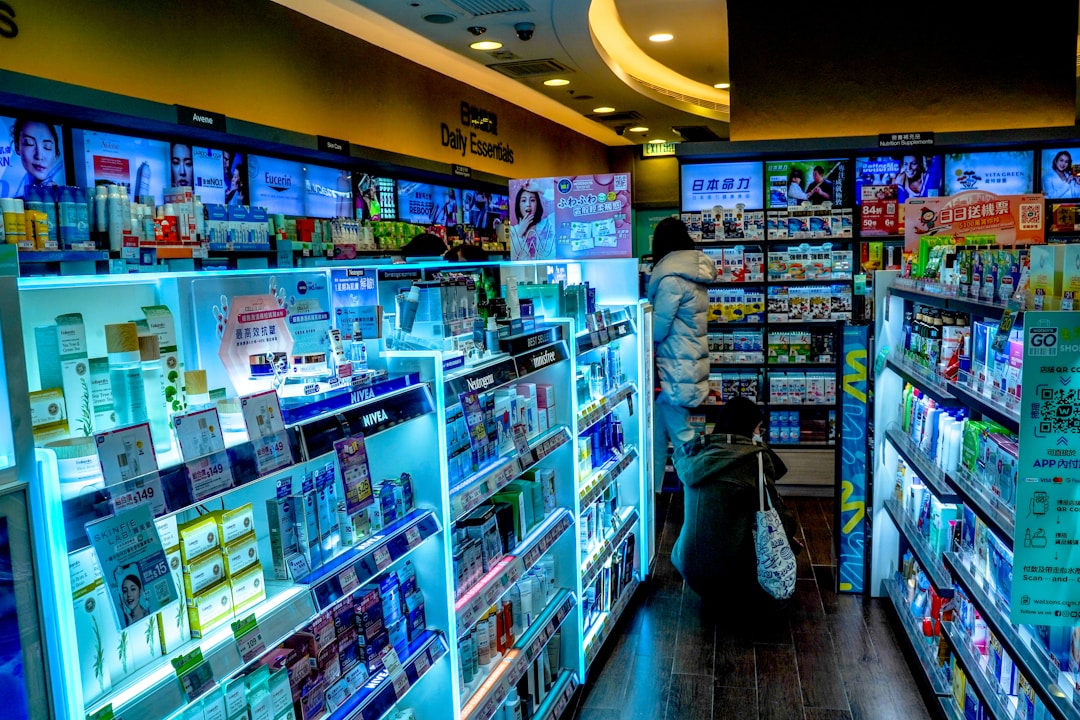
Why Retail SEO Matters Now More Than Ever
Retail competition online is intensifying. E-commerce is expected to account for a significant portion of retail sales worldwide, meaning search visibility directly impacts revenue. Retailers ignoring SEO lose market share to competitors optimizing for Google, ChatGPT, Perplexity, and Gemini.
Mobile dominance amplifies this urgency. Over 70% of retail research occurs on mobile devices, yet many retail sites still prioritize desktop experiences. Slow-loading sites cost conversions: 51% of online shoppers abandon sites that load too slowly.
AI search engines now supplement traditional Google, requiring retail sites to optimize for answer extraction formats (tables, structured lists, concise answers). These shifts mean static, neglected sites fade into obscurity while optimized competitors capture consistent organic traffic and sales.
Key Components of a Winning Retail SEO Strategy
1. High-Intent Keyword Research and Targeting
Retail SEO success begins with keyword strategy aligned to buyer behavior. Focus on three keyword types:
- Informational keywords: "How to choose running shoes" – guides prospects early in research
- Transactional keywords: "Buy red sneakers size 9" – captures users ready to purchase
- Long-tail keywords: Specific product + modifier combinations with lower competition and higher intent
Transactional long-tail keywords are highest priority for retail because they filter for qualified buyers. A search for "affordable waterproof hiking boots" indicates stronger purchase intent than "hiking boots."
2. Product and Category Page Optimization
Product pages are your primary conversion assets. Optimization includes:
- Target keyword in title tag (under 60 characters), H1, and first paragraph
- 200-300 word product descriptions with relevant keywords, benefits, and specifications
- High-quality images with descriptive alt text (e.g., "red men's running shoe size 9 lateral view")
- User-generated content: customer reviews, ratings, photos
- Internal linking from category pages and blog content
Category pages require different optimization: target broader keywords ("women's running shoes"), summarize products, include filtering options, and link to top-performing items.
3. Schema Markup and Structured Data
Search engines use schema markup to understand product information, pricing, and reviews. Implement:
- Product schema: Name, description, price, availability, review ratings
- Review schema: Author, rating, date, review text
- Organization schema: Company info, contact, social profiles
- Local business schema: For retail locations with address, hours, phone
Proper schema markup improves visibility in rich snippets, knowledge panels, and AI search results.
4. Mobile-First Optimization
Google's mobile-first indexing means your mobile site is ranked first. Ensure:
- Responsive design that displays correctly on all devices
- Page load speed under 3 seconds (mobile)
- Touch-friendly buttons and checkout flows
- Readable text without manual zooming
- Optimized images (compressed, modern formats)
A slow mobile site ranks lower and loses sales conversions.
5. Local SEO for Physical Retail Locations
If your retail business has physical stores, local SEO drives foot traffic and online sales:
- Optimize Google Business Profile (formerly Google My Business) with accurate address, hours, phone
- Collect customer reviews on Google, Yelp, and industry-specific platforms
- Create location-specific landing pages ("Shoes store in Austin, Texas")
- Build local citations (directories, industry lists)
- Implement local schema markup for each location
Retail customers often search "store near me" or "[product] [location]" – local SEO captures these high-intent queries.
6. Technical SEO Foundations
Search engines must crawl and index your site properly:
- HTTPS encryption on all pages
- XML sitemap submitted to Google Search Console
- Fix crawl errors and broken internal links
- Canonical tags to prevent duplicate content issues
- Clean URL structure (no excessive parameters)
- Remove thin or duplicate product descriptions
7. Content Freshness and User-Generated Content
Fresh, updated content signals activity to search engines. Add:
- New customer reviews and testimonials regularly
- Product comparison guides and buying tips
- Seasonal content (holiday gift guides, seasonal product collections)
- Blog posts answering common customer questions
- Staff picks and curated collections
User-generated content (reviews, photos, Q&A) improves engagement and provides fresh, keyword-rich content without manual creation.
Comparison: DIY, Agencies, and Programmatic SEO
| Approach | Time Investment | Monthly Cost | Results Timeline | Scalability |
|---|---|---|---|---|
| DIY SEO | 15-20 hours/week | $500-$2,000 | 6-12 months | Limited (manual effort bottleneck) |
| Freelancer | 2-5 hours/week (your time) | $2,000-$5,000 | 4-8 months | Moderate (dependency risk) |
| Traditional Agency | 1-2 hours/week (your time) | $5,000-$15,000 | 3-6 months | Good (but expensive at scale) |
| SEOBaby (Programmatic SEO) | 0 hours (hands-off) | $299-$999 | 2-4 months | Unlimited (automated at scale) |
SEOBaby's programmatic approach publishes 60-90 optimized pages monthly automatically, covering long-tail keywords and comparison content traditional agencies can't feasibly create manually. The result: consistent organic growth at a fraction of agency costs.
How Programmatic SEO Transforms Retail SEO
SEOBaby uses AI to generate and publish SEO content at scale, solving the biggest retail SEO challenge: time and resources. Instead of manually creating product guides, comparison pages, and category content, programmatic SEO creates hundreds of pages targeting long-tail keywords automatically.
Key advantages:
- Zero manual effort: Content publishes on its own schedule; no developer or copywriter time required
- Scale without cost: Each new page costs virtually nothing after setup, unlike traditional agency models
- AI search optimization: Content structured for ChatGPT, Perplexity, and Gemini citations, not just Google
- Technical SEO automation: Schema markup, meta tags, internal linking applied to every page
- Multi-platform support: Works with Shopify, Framer, Next.js, Webflow, and GitHub
- Consistent growth: 2-4 months to reach 1,000 organic visits monthly
For retail businesses, this means publishing product guides, comparison pages, and category content that rank for long-tail keywords and drive qualified traffic without the overhead of traditional SEO agencies.

Common Retail SEO Mistakes to Avoid
- Ignoring mobile optimization: When 70%+ of retail research is mobile, neglecting mobile-first design costs traffic
- Thin product descriptions: Generic, keyword-less descriptions rank poorly and confuse shoppers
- No internal linking strategy: Product pages should link to related items, category pages, and blog content
- Neglecting local SEO: Retailers with physical stores lose foot traffic by ignoring Google Business Profile optimization
- Duplicate content: Manufacturer-supplied product descriptions across multiple sites dilute SEO value
- Slow site speed: Technical debt kills both rankings and conversions
- No schema markup: Missing structured data means search engines can't extract product information for rich snippets
- Ignoring AI search: ChatGPT and Perplexity now influence discovery; content must be optimized for answer extraction
Quick Implementation Checklist
- Audit current rankings and traffic with Google Search Console
- Conduct keyword research targeting high-intent, transactional queries
- Optimize top 10 product pages with target keywords, descriptions, and images
- Implement product, review, and organization schema markup
- Test mobile speed and fix any Core Web Vitals issues
- Optimize Google Business Profile if you have retail locations
- Create 5-10 blog posts answering common customer questions
- Set up internal linking from blog content to product pages
- Gather and publish customer reviews and UGC
- Monitor rankings and organic traffic monthly via Search Console
This checklist targets quick wins; deep SEO optimization takes 3-6 months to show measurable results. For faster scaling, programmatic SEO platforms like SEOBaby automate these steps across your entire product catalog.
The Bottom Line
Retail SEO is no longer optional—it's a core profit driver. Customers research online before buying, search engines (both Google and AI) control discovery, and organic traffic costs far less than paid advertising. A solid retail SEO strategy targeting high-intent keywords, optimizing product pages, and maintaining technical fundamentals generates consistent, qualified traffic for years.
The time investment is the real challenge. Building SEO manually takes 10-20 hours weekly for months. Hiring freelancers or agencies costs $2,000-$15,000 monthly. SEOBaby's programmatic SEO removes this friction, automating content creation and technical optimization so retail businesses can scale organic traffic from zero to 1,000+ monthly visits without manual effort or agency overhead.
Ready to grow organic traffic without the work? Start publishing optimized content in 5 minutes. Book a call or explore pricing plans today.