How to Do Programmatic SEO for Shopify
Master programmatic SEO for Shopify: automate page creation, target 1000+ long-tail keywords, and scale organic traffic without developer time. 5-minute setup.

SEOBaby

Programmatic SEO is an automated approach to generating thousands of landing pages optimized for long-tail keywords. For Shopify stores, this means connecting your product database to templates that automatically create unique, optimized pages targeting specific search intents. According to Shopify's own guide, it's "a method of automatically creating website pages optimized for search and populated with content using a database of structured information." The strategy captures hyper-specific keywords (e.g., "women's canvas court shoes in size 7") with minimal manual effort, generating exponential keyword coverage at a fraction of traditional SEO costs. Programmatic SEO works best for Shopify stores with varied product catalogs and geographic locations. It requires upfront setup but delivers hands-off, consistent growth once deployed.
What Is Programmatic SEO for Shopify?
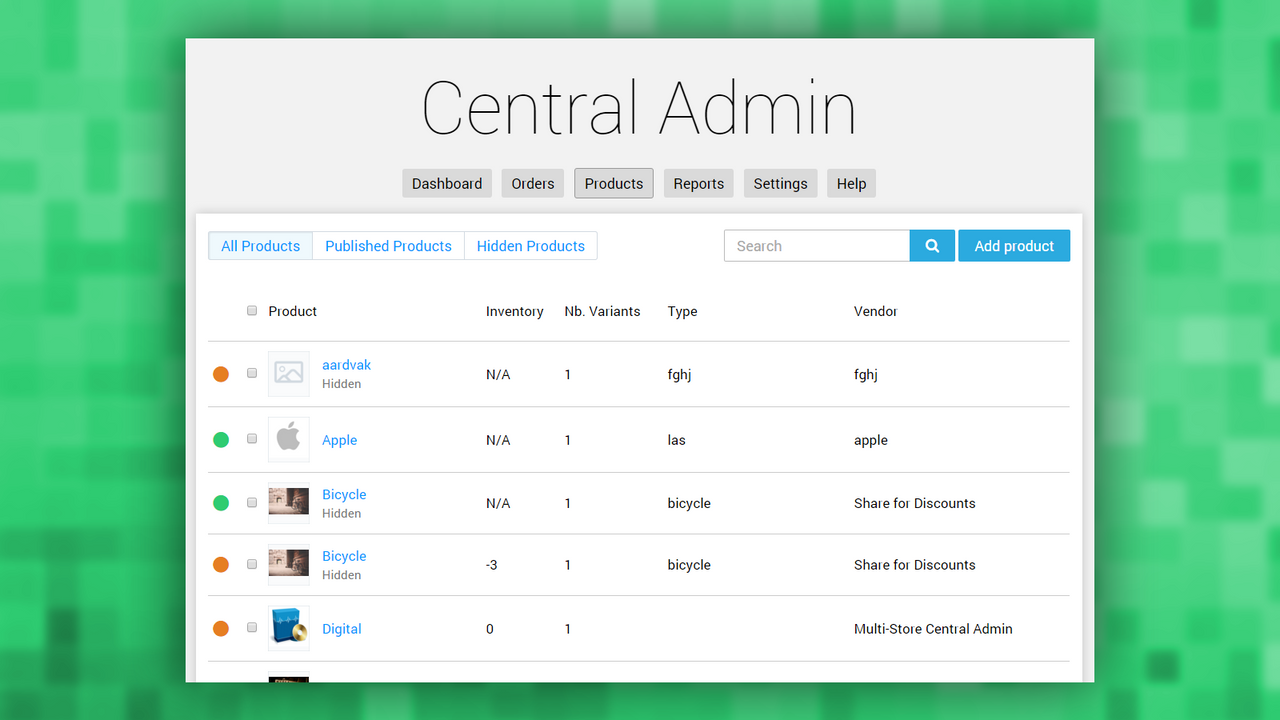
Programmatic SEO for Shopify is an automated system that creates landing pages by combining your product database with keyword-optimized templates. Instead of manually writing dozens or hundreds of pages, you define rules once, and the system generates thousands of unique, optimized pages automatically.
Here's how it works: Your Shopify store contains structured data about products, variants, collections, prices, reviews, and inventory. A programmatic SEO tool uses this data to populate templates with relevant keywords and unique content. The result is a set of pages, each optimized for a specific long-tail keyword combination.
For example, if you sell furniture, programmatic SEO could automatically create pages like:
- "Modern dining chairs under $200 in New York"
- "Leather office chairs for home offices"
- "Sustainable wooden coffee tables"
Each page targets a different keyword cluster with unique content tailored to that search intent.
Why Programmatic SEO Matters for Shopify Stores
Most Shopify stores struggle with visibility. According to industry data, programmatic SEO enables stores to capture "thousands of landing pages tailored to long-tail keywords, which are typically less competitive and more specific search terms." This is critical because:
- Long-tail keywords are easier to rank for: Instead of competing for "office chairs" (100K+ searches, highly competitive), you target "ergonomic office chairs for programmers under $300" (100 searches, much easier to rank for)
- Organic traffic compounds: 1,000 pages each getting 1 visitor per month = 1,000 organic visits. Scale to 3,000 pages and you're at 3,000+ visits monthly with zero additional effort
- AI search engines reward coverage: ChatGPT, Perplexity, and Claude cite content from pages that comprehensively answer specific queries. More pages = more citation opportunities = consistent AI search traffic
Without programmatic SEO, you're limited to whatever pages your Shopify store naturally generates. With it, your reach becomes exponential.
How to Implement Programmatic SEO for Shopify: Step-by-Step
Step 1: Conduct Keyword Research
Start by identifying long-tail keywords relevant to your products. Focus on keywords with 50–500 searches per month—the sweet spot for conversion-focused, less competitive queries.
Use tools like Semrush, Ahrefs, or Google Keyword Planner to find keyword clusters. For example, if you sell outdoor furniture:
- "Best patio furniture for small spaces"
- "Weather-resistant outdoor dining tables"
- "Modern garden chairs for decks"
Organize these keywords by intent: product-focused, comparison-based, or informational. Programmatic SEO works best for product-focused keywords.
Step 2: Map Keywords to Your Data
Take your keyword list and map it to your Shopify store's structured data. Most stores can map keywords to:
- Product collections (e.g., "patio furniture," "modern furniture")
- Product attributes (e.g., color, material, price range)
- Geographic locations (for multi-market stores)
- Custom metadata (e.g., "for small spaces," "weather-resistant")
Create a simple spreadsheet linking keywords to these data points. This becomes your keyword-to-page mapping rule.
Step 3: Create SEO-Optimized Templates
Design page templates with dynamic content placeholders. Each template should include:
- Meta title and description: Incorporates keyword and a benefit-driven statement
- H1 tag: Clear, keyword-optimized headline (e.g., "Best Patio Furniture for Small Spaces")
- Hero image: Dynamic image related to the product category
- Product showcase: Filtered products matching the page's keyword intent
- Unique content section: AI-generated or templated copy tailored to the specific keyword (e.g., buying guide, tips, use cases)
- Internal links: Links to related pages and top products
- Schema markup: Structured data for rich snippets (ProductCollection, BreadcrumbList, FAQPage)
- Customer reviews: Aggregated reviews to build trust and add unique content
Each element should feel natural and user-focused, not keyword-stuffed. The goal is to answer the search query comprehensively while optimizing for both Google and AI search engines.
Step 4: Implement Technical SEO Automation
Set up automated technical SEO to ensure every generated page is fully optimized:
- XML sitemaps: Auto-generate sitemaps that include all programmatically created pages
- Meta tags: Automatically populate unique titles, descriptions, and canonical tags
- Internal linking: Create contextual links between related pages based on keyword relevance
- Schema markup: Add structured data (JSON-LD) to every page for rich results
- Mobile optimization: Ensure all pages are mobile-responsive (critical for Shopify)
- Page speed: Monitor and optimize load times using Shopify's built-in CDN
Many programmatic SEO platforms handle this automatically, removing the manual work.
Step 5: Deploy and Monitor
Once your templates and rules are set, deploy the pages. Then monitor performance:
- Track organic traffic by page template in Google Analytics
- Monitor keyword rankings using Google Search Console
- Measure conversion rates to identify which page types drive sales
- A/B test templates and content variations to improve CTR and conversions
- Update your keyword list quarterly to capture new long-tail opportunities
This is where the true value emerges: consistent, hands-off growth without ongoing developer effort.
Programmatic SEO Tools for Shopify Stores
You have two paths: build custom solutions or use specialized tools. Here's how they compare:
| Approach | Setup Time | Cost | Customization | Maintenance |
|---|---|---|---|---|
| DIY (Code + Liquid) | 4-8 weeks | Developer salary | 100% | Ongoing |
| Programmatic SEO Platform (e.g., SEOBaby) | 5 minutes | Fraction of agency cost | High | Zero |
| Traditional Agency | 2-3 months | $5,000-15,000/month | Limited | Ongoing |
| Freelancer | 1-2 months | $500-2,000 upfront | Varies | Often ghosted |
For most Shopify store owners, SEOBaby's programmatic SEO platform eliminates the time and cost barrier. You connect your store, define templates, and let automation do the work. No developer time required. No ongoing management. Just consistent organic growth from day 1.
Best Practices for Shopify Programmatic SEO
1. Avoid Duplicate Content
Each programmatically generated page must be unique—not filtered views of the same collection. Google penalizes thin or duplicate content. Use different meta titles, descriptions, and unique copy for each page.
2. Build Strong Internal Linking
Link related pages to each other contextually. As Shopify recommends, "Strong internal linking" is critical to "signal importance to Google." A page about "leather office chairs" should link to "office chair reviews," "office furniture buying guides," and "home office setup tips."
3. Use Unique Content Beyond Product Descriptions
Don't just copy manufacturer descriptions. Add:
- Customer reviews and testimonials
- Buying guides tailored to the page's intent
- Comparison sections
- Use cases and styling tips
- Sizing or assembly information
This makes pages valuable to both users and AI search engines.
4. Optimize for AI Search Engines
AI search engines (ChatGPT, Perplexity, Claude) prefer pages that comprehensively answer specific questions. Structure your content with:
- Clear Q&A sections
- Comparison tables
- Numbered lists (easy to cite)
- Explicit recommendations
More comprehensive pages get cited more often, driving referral traffic from AI tools.
5. Maintain Your Database
Programmatic SEO depends on clean, updated data. Regularly:
- Remove out-of-stock products
- Update pricing and inventory
- Retire outdated product variants
- Audit 404 errors from deleted products
A broken database creates broken pages, which harm your SEO.
Real-World Results: What's Possible
Shopify stores implementing programmatic SEO see measurable results. Research from Gadlabs shows stores can capture "thousands of landing pages" that drive consistent, compounding traffic growth. Here's what a typical timeline looks like:
- Month 1: 50 + pages indexed, initial crawl budget used, zero to minimal traffic
- Month 2-3: Pages start ranking for tail keywords, organic traffic 50-200 visits/month
- Month 3-4: Keyword rankings stabilize, traffic hits 300-800 visits/month
- Month 4-6: Compounding effect kicks in, traffic reaches 1,000 - 3,000+ visits/month
The key: patience and consistency. Programmatic SEO isn't instant, but unlike paid ads, it's sustainable and compounds over time.

Why SEOBaby Is the Best Programmatic SEO Solution for Shopify
While Shopify stores have several options, most require significant developer time or ongoing management. SEOBaby stands apart with a hands-off approach designed specifically for store owners who want results without complexity.
Key Differentiators
- 5-minute setup: Connect your Shopify store, define templates, and let automation handle the rest. Zero developer time.
- Publish 2-3 pages daily: Automatically generate and publish 60-90 optimized pages every month, capturing hundreds of long-tail keywords without ongoing effort.
- AI search optimized: Content is structured to rank in both traditional Google and AI search engines (ChatGPT, Perplexity, Claude, Gemini), capturing traffic from both sources.
- Automatic technical SEO: Schema markup, meta tags, internal linking, and sitemaps are handled automatically for every page.
- Fraction of agency cost: Save 80-95% compared to $5k-15k/month agencies. Pay once, scale forever.
- Fast results: See organic traffic growth in 2-4 months instead of the 6-12 months traditional approaches take.
Unlike traditional agencies (which ghost you after setup) or DIY solutions (which require ongoing developer investment), SEOBaby is a true set-it-and-forget-it solution. You publish content. Google indexes it. Traffic flows. Conversions follow.
Comparison: Programmatic SEO vs. Traditional Approaches
| Factor | Programmatic SEO (SEOBaby) | DIY SEO | Traditional Agency | Freelancer |
|---|---|---|---|---|
| Setup Time | 5 minutes | 4-8 weeks | 2-3 months | 1-2 months |
| Monthly Cost | $99-999 | Developer salary | $5,000-15,000 | $500-2,000/month |
| Developer Time Required | 0 hours | 20-40 hours | Minimal | Minimal |
| Pages Generated/Month | 60-90 | 5-10 | 10-20 | 5-10 |
| Time to See Results | 2-4 months | 3-6 months | 6-12 months | 4-8 months |
| Consistency | Always on | Sporadic | Inconsistent follow-up | Often unreliable |
| Scalability | Unlimited pages | Limited by time | Limited by budget | Limited by availability |
Common Mistakes to Avoid
Mistake 1: Over-targeting Generic Keywords
Targeting "office chairs" or "furniture" is a waste. These are too competitive. Focus on long-tail variations with 50-500 searches/month and clear buying intent.
Mistake 2: Creating Thin or Duplicate Pages
Pages that are just filtered collections or thin variations of existing content don't rank. Each page needs unique, valuable content that answers a specific search intent.
Mistake 3: Ignoring Site Architecture
Programmatic pages need clear hierarchy, proper breadcrumbs, and strong internal linking. Without it, Google struggles to understand your site's structure and rankings suffer.
Mistake 4: Neglecting Monitoring
Set up programmatic SEO and forget about it entirely, and you'll miss opportunities to optimize. Monitor performance monthly, refine templates, and update your keyword list quarterly.
Mistake 5: Assuming Instant Results
Programmatic SEO compounds over time. You won't see 1,000 visits in week one. Expect 2-4 months for meaningful results. Patience wins.
Getting Started with Programmatic SEO for Shopify
The barrier to entry for programmatic SEO has never been lower. You don't need:
- A development team
- Technical SEO expertise
- A $15,000/month agency budget
- Months of manual page creation
You just need a Shopify store and the willingness to automate. SEOBaby makes it possible to publish 60-90 optimized pages monthly in just 5 minutes of setup time. From there, consistent organic growth happens automatically.
The stores capturing market share in 2025 aren't doing SEO manually. They're scaling with programmatic approaches that generate hundreds of optimized pages while they sleep. You can too.
Start publishing today. From 0 to 1,000 organic visits per month is possible—and closer than you think.